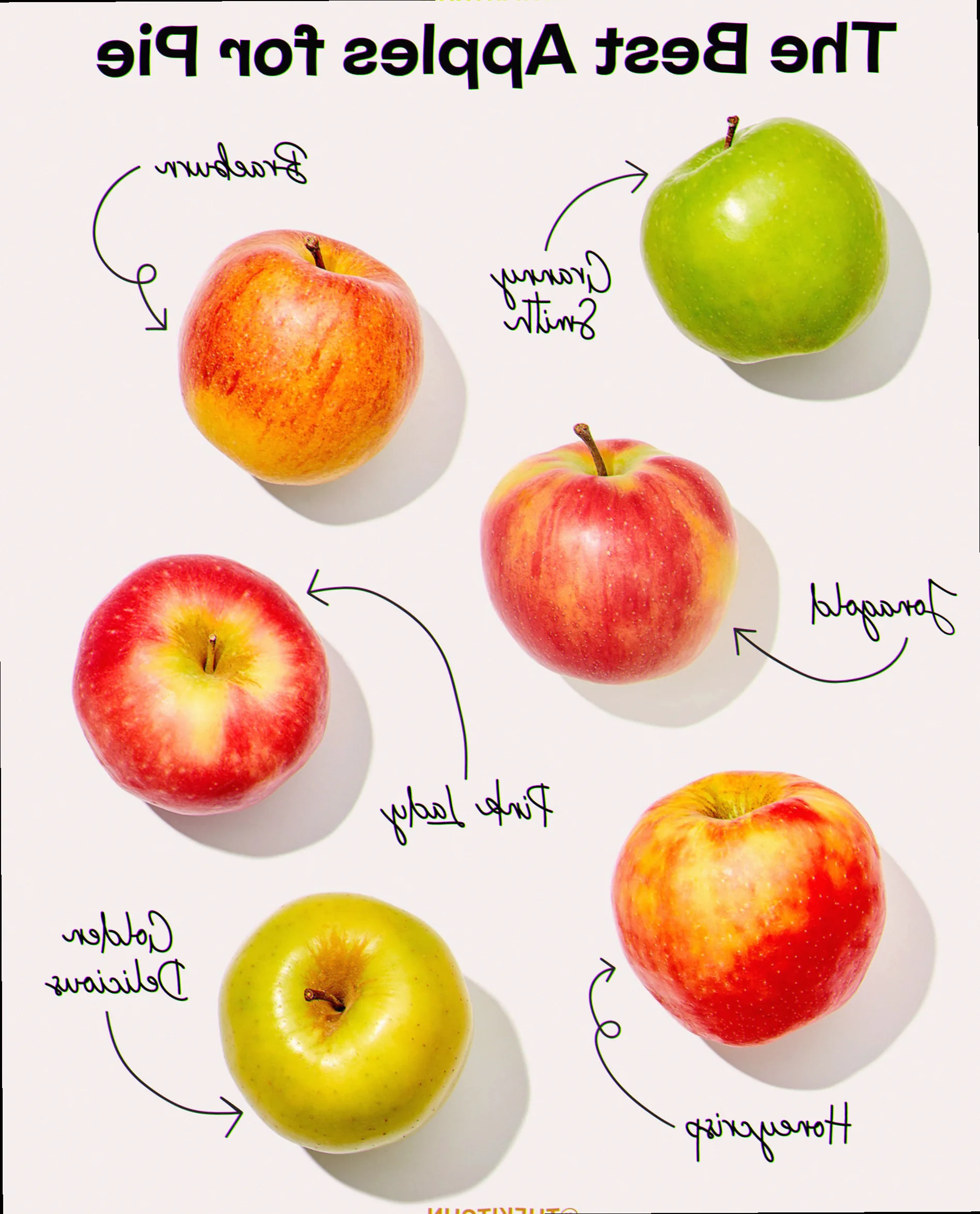
Apples for Apple Pies: A Diagnostic Guide
Your apple pie filling is either a watery mess or a mushy, indistinct blob, ruining the crisp, flaky potential of your crust. You fear another disappointment, a filling that tastes more like stewed fruit than the vibrant, tender apple slices you envisioned. This guide diagnoses every possible failure in preparing apples for your pie and provides precise, actionable fixes to ensure a perfect result every time.
What Perfect Apples for Apple Pie Actually Look, Feels, and Tastes Like
| Stage | Success marker — what you should see / feel / smell / hear |
|---|---|
| Raw, Sliced Apples | Uniformly cut slices, approximately 0.5cm thick, retaining their shape. A crisp, firm texture when squeezed. A fresh, slightly tart aroma. No browning. |
| After Initial Cooking (Pre-Baking) | Apples are slightly softened but still hold their shape, retaining distinct edges. They glisten with a light coating of sugary syrup, not swimming in liquid. A sweet, cooked apple aroma begins to develop. The mixture is thick, not watery. |
| Baked Pie Filling | Tender apple slices with a slight resistance to the bite, not mushy or firm. The filling is thickened to a translucent, glossy syrup that coats the apples, with no pooling liquid at the bottom of the pie. A rich, caramelized apple aroma fills the air. |
| When Serving | The pie filling holds its structure, with distinct apple segments visible. The texture is yielding but not disintegrated. The flavour is a harmonious balance of sweet, tart, and spiced notes, with no stringiness or raw starch taste. |
The Ingredient Failures — Wrong Choices Before You Even Start Cooking
- Watery Filling: caused by using only mealy, low-pectin apple varieties like Red Delicious or Golden Delicious. These apples break down too quickly and release excess moisture. → fix: Use a blend of at least two apple varieties, prioritizing firm, tart apples like Granny Smith (for structure and tartness) and Honeycrisp or Fuji (for sweetness and a pleasant bite). Avoid 100% mealy apples.
- Tough Apple Slices: caused by using underripe, hard apples or apples with a very dense flesh that don’t soften adequately during cooking. → fix: Select apples that yield slightly to gentle pressure but are not bruised. Aim for apples that have reached peak ripeness for optimal texture and flavour.
- Lack of Sweetness/Acidity Balance: caused by using only sweet apples (e.g., Gala exclusively) or only sour apples (e.g., Granny Smith exclusively). → fix: A balanced blend of sweet and tart apples is crucial. For every 4 cups of tart apples, use 2 cups of sweeter apples.
The Technique Failures — What Goes Wrong During Cooking
- Watery Filling: what it looks like → a pool of liquid at the bottom of the pie crust, the bottom crust becoming soggy. → caused by insufficient thickening agent or overcooking/undercooking the apples, releasing too much juice. → fix: Ensure you use enough thickener (tapioca starch or cornstarch). For every 4 cups of sliced apples, use 2-3 tablespoons of tapioca starch or 3-4 tablespoons of cornstarch. Toss apples with the thickener before adding liquid ingredients.
- Mushy Apple Slices: symptom → apple pieces have completely disintegrated, forming a homogenous apple sauce rather than distinct slices. → cause → overcooking the apples in too much liquid for too long, or using apples that are too soft to begin with. → fix: Cook the apple filling briefly before assembling the pie, or simply toss with sugar, spices, and thickener and let the oven do the work. If pre-cooking, aim for just 5-7 minutes until slightly softened but still firm.
- Gritty Filling (Starch Taste): symptom → a slightly chalky or pasty texture, an unpleasant raw starch flavour. → cause → the thickener (cornstarch or flour) hasn’t fully hydrated and cooked. → fix: If using cornstarch, ensure it’s fully dispersed in cold liquid before adding to the hot apples. If using tapioca starch, it requires less cooking time and generally yields a clearer, glossier result. Cook the filling mixture until the thickener is translucent.
- Browning and Oxidization: symptom → apple slices turn brown and unappealing after slicing. → cause → exposure to air. → fix: Toss sliced apples immediately with a solution of 1 tablespoon lemon juice or 1/2 teaspoon citric acid per 2 cups of water, or toss them directly with a portion of the sugar mixture (which contains acid from the apples and sugar).
The Equipment Failures — When Your Tools Are the Problem
- Uneven Cooking: what the wrong version causes → hot spots in the oven lead to some apples being overcooked while others are undercooked. → what to use instead → a good quality, insulated baking sheet placed on the middle oven rack. → why it matters → consistent heat distribution is key for even softening of the apples.
- Over-Steaming: the failure it produces → a soggy bottom crust and mushy filling. → the fix → using a pie shield or foil to protect the edges of the crust from burning before the filling is set. → the workaround if unavailable → watch the pie carefully during the last 20-30 minutes of baking and loosely tent the entire pie with foil if the crust is browning too quickly.
- Inaccurate Temperature: why this specific tool exists for this dish → an instant-read thermometer allows you to check the internal temperature of the filling to ensure it’s bubbling and thickening properly, indicating the thickener has activated. → acceptable substitute → If you don’t have a thermometer, look for visual cues: the filling should be bubbling thickly around the edges, and the syrup should be glossy and translucent, not watery.
The Full Recipe — Built Around Preventing Every Failure Above
- Apples — 6 cups, sliced 0.5cm thick (a mix of 4 cups Granny Smith and 2 cups Honeycrisp or Fuji) — this blend prevents both excessive tartness/sweetness and ensures a good texture, avoiding the “watery filling” and “tough apple slices” failures.
- Granulated Sugar — 1/2 cup (adjust to apple sweetness) — provides sweetness and helps draw out apple juices to create the syrup, also prevents “lack of sweetness” and aids in preventing “browning”.
- Brown Sugar — 1/4 cup, packed — adds depth of flavour and caramel notes, preventing a one-dimensional sweet flavour.
- Tapioca Starch — 2 tablespoons (or 3 tablespoons cornstarch) — the primary thickener, preventing “watery filling” and “gritty filling” by absorbing excess moisture and creating a glossy syrup.
- Ground Cinnamon — 1 teaspoon — essential spice for classic apple pie flavour.
- Ground Nutmeg — 1/4 teaspoon — complements cinnamon and adds warmth, preventing a bland flavour profile.
- Lemon Juice — 1 tablespoon — adds brightness and acidity, balancing sweetness and preventing “browning and oxidization”.
- Butter — 2 tablespoons, cut into small pieces — dots the filling, adding richness and preventing a flat flavour.
Method:
- Prepare Apples: In a large bowl, combine the sliced apples with the lemon juice. Toss to coat. This prevents “browning and oxidization”. Success marker: apples are evenly coated in a thin film of liquid, no brown spots.
- Combine Dry Ingredients: In a separate small bowl, whisk together the granulated sugar, brown sugar, tapioca starch, cinnamon, and nutmeg. This ensures the thickener is evenly distributed, preventing “gritty filling”. Success marker: a homogenous mixture of fine powders.
- Coat Apples: Add the dry ingredient mixture to the apples and toss gently to coat each slice evenly. This ensures the thickener adheres to the apples, crucial for preventing “watery filling”. Success marker: apples are coated in a fine, even layer of the sugar-spice mixture.
- Assemble Pie: Pour the apple mixture into your prepared pie crust. Dot the top of the filling with the pieces of butter. This is a critical control point where “mushy apple slices” can occur if over-handled or if the apples are not properly coated. Success marker: apples are arranged evenly, butter pieces are visible on top.
- Bake: Bake at 220°C (425°F) for 15 minutes, then reduce heat to 190°C (375°F) and bake for another 35-45 minutes, or until the crust is golden brown and the filling is bubbling thickly. This ensures the thickener activates and the apples cook to the correct tenderness, preventing “watery filling” and “mushy apple slices”. Success marker: the filling is visibly bubbling and thickened, with no watery liquid seeping out.
How to Rescue Apples for Apple Pies When It Has Already Gone Wrong
- If the filling is watery: Remove the top crust carefully. Drain off as much excess liquid as possible (you can save this for other uses like a compote). Return the pie to the oven, uncovered, at 190°C (375°F) for an additional 15-20 minutes to allow more liquid to evaporate. This is a partial fix; the bottom crust may still be slightly compromised.
- If the apple slices are mushy: This is difficult to rescue into distinct slices. You can try to salvage the flavour by mashing the filling slightly and serving it over ice cream or yogurt as a rustic apple sauce.
- If the filling is gritty (starch taste): This usually indicates the thickener did not cook properly. It’s hard to fully rescue. You can try returning the filling to the stovetop in a saucepan and gently heating it until it thickens and becomes translucent, but the texture may remain slightly altered.
- If the bottom crust is soggy: This is the most common and hardest to rescue. If caught early, try to slide a baking sheet underneath the pie to absorb more moisture. If already baked, the best approach is to serve the filling separately from the crust, or to cut around the soggy edges.
Make-Ahead: Which Failures This Introduces and How to Avoid Them
Making apple pie filling ahead can introduce mushy apple slices and watery filling.
- Cause: Apples continue to soften and release moisture as they sit, even when chilled.
- Fix: Prepare the apple filling up to 1 day in advance. Store it in an airtight container in the refrigerator. Crucially, before assembling the pie, drain off any accumulated liquid and toss the apples with an additional 1 teaspoon of tapioca starch or cornstarch. This re-thickens the mixture and compensates for lost moisture.
Related topics: Apple pies recipe pinterest · Apple cinnamon pie recipe brown sugar · Recipe for frozen pies
Diagnostic FAQ — Real Failures, Real Fixes
My apple pie filling turned out watery and the bottom crust was soggy — what went wrong?
This is the classic watery filling failure. The most likely cause is insufficient thickener or using only mealy apples that release too much juice. For next time, ensure you use the specified amount of tapioca starch or cornstarch, toss it thoroughly with the apples, and consider using a blend of firm, tart apples.
It looked right but tasted bland — where did I go wrong?
This indicates a lack of sweetness/acidity balance or insufficient spicing. You likely used only one type of apple, or didn’t adjust sugar to taste. Ensure you use a mix of sweet and tart apples and don’t shy away from cinnamon and nutmeg. Lemon juice also brightens the flavour, preventing blandness.
Everything looked perfect until I cut into the pie, and the filling was still firm and raw-tasting — why did it undercook?
This is a technique failure related to the thickener not activating. It’s likely the filling didn’t reach a sufficiently hot temperature for the tapioca starch or cornstarch to properly hydrate and thicken. Ensure the filling is visibly bubbling thickly around the edges of the pie during baking. If using a thermometer, aim for an internal temperature of at least 90°C (195°F).