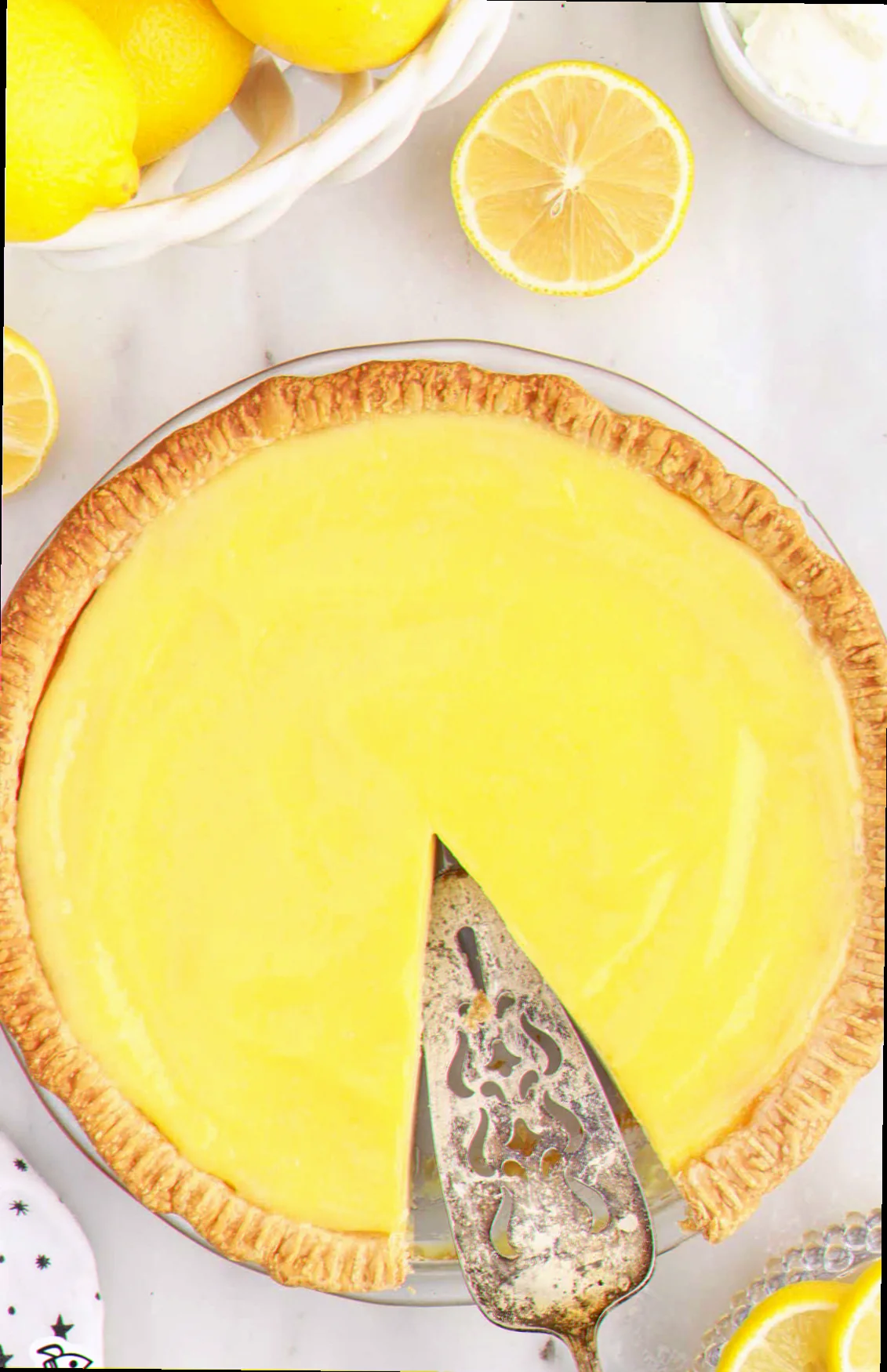
Lemon Meringue Pie Diagnostic Guide
The most common and devastating failure in lemon meringue pie is a weeping meringue. This is when the meringue topping becomes watery, releasing liquid that pools on top of the lemon filling. It looks unappealing, with translucent streaks and a slick surface, and can make the pie soggy. This guide will help you diagnose and eliminate every possible failure, ensuring a perfect lemon meringue pie every time.
What Perfect Lemon Meringue Pie Actually Looks, Feels, and Tastes Like
| Stage | Success marker — what you should see / feel / smell / hear |
|---|---|
| Pre-bake Filling | The lemon filling should be a vibrant, opaque yellow, thick enough to coat the back of a spoon without running off immediately. It will have a bright, zesty aroma. |
| Mid-bake Meringue | The meringue should begin to puff and show golden-brown peaks. A faint sweet, toasted sugar aroma will emerge. Internal temperature of the filling should reach approximately 80-82°C. |
| At the Finish | The meringue should be a rich, glossy golden-brown, with firm, well-defined peaks that hold their shape. The filling should be set, with no visible liquid pooling. The aroma is intensely citrusy and sweet. |
| When Serving | A clean slice reveals distinct layers: a crisp, flaky crust, a smooth, luscious lemon filling, and a light, airy meringue. The texture is a delightful contrast of crisp, creamy, and fluffy. The flavour is a balanced symphony of tart lemon and sweet meringue. |
The Ingredient Failures — Wrong Choices Before You Even Start Cooking
- Rubbery Filling: caused by using too many egg yolks relative to lemon juice and sugar. This leads to an over-coagulated custard. → fix: Use precisely 4 large egg yolks for a standard 9-inch pie.
- Soggy Crust: caused by using cold butter or shortening when making the pastry. This results in large pockets of fat that don’t emulsify properly, leading to steam escaping and a weak structure. → fix: Ensure your butter and shortening are chilled to 4°C, cut into small cubes.
- Grainy Meringue: caused by using granulated sugar that hasn’t fully dissolved in the egg whites. This leaves undissolved sugar crystals that create a gritty texture. → fix: Use superfine (caster) sugar for quicker dissolution, or dissolve granulated sugar completely in the egg white mixture over gentle heat.
The Technique Failures — What Goes Wrong During Cooking
- Rubbery Filling: symptom: The filling is dense and chewy, not smooth and creamy. → caused by: overcooking the filling or scrambling the egg yolks. → fix: Cook the filling gently over low heat, stirring constantly, until it thickens enough to coat the back of a spoon (around 80-82°C). Never boil the filling once the yolks are added.
- Watery Filling: symptom: The filling is thin and runny, even after cooling. → caused by: Insufficient cooking time or not dissolving the cornstarch properly. → fix: Whisk the cornstarch into the lemon juice before adding it to the sugar and egg mixture. Cook, stirring, until thickened and bubbly for at least 1 minute.
- Weeping Meringue: symptom: Liquid pools on top of the filling or between the meringue and filling. → caused by: Undissolved sugar in the meringue or overbeating the meringue. → fix: Ensure sugar is fully dissolved by rubbing a little between your fingers; it should feel smooth, not gritty. Beat egg whites until soft peaks form, then gradually add sugar, beating until glossy, stiff peaks form. Do not overbeat.
- Shrinking Meringue: symptom: The meringue pulls away from the edges of the crust. → caused by: Meringue not sealed to the crust edges. → fix: Spread the meringue all the way to the edge of the crust, ensuring it seals to the pastry.
- Flat Meringue: symptom: The meringue is dense and lacks volume. → caused by: Egg whites not being at room temperature or fat contamination. → fix: Use room temperature egg whites (around 20-22°C) and ensure your bowl and whisk are scrupulously clean, free of any grease.
The Equipment Failures — When Your Tools Are the Problem
- Uneven Baking: what the wrong version causes + what to use instead + why it matters. A thin-walled metal pie dish can lead to an unevenly baked or burnt crust. → use a heavy-duty glass or ceramic pie dish, which distributes heat more evenly.
- Scrambled Filling: the failure it produces + the fix + the workaround if unavailable. Using a thin-bottomed saucepan can cause the filling to scorch and the eggs to scramble. → use a heavy-bottomed saucepan for even heat distribution. If unavailable, use a double boiler (bain-marie) to create a gentler heat source.
- Inconsistent Meringue: why this specific tool exists for this dish + acceptable substitute. A stand mixer with a whisk attachment is ideal for creating stable meringue. → acceptable substitute: a handheld electric mixer, but be prepared for a more vigorous arm workout and constant attention.
The Full Recipe — Built Around Preventing Every Failure Above
- For the Crust:
- All-purpose flour — 250g — provides structure, prevents a tough crust.
- Cold unsalted butter — 125g, cut into 1cm cubes — prevents a tough crust; fat creates flaky layers.
- Ice water — 60-80ml — helps bind the dough without over-activating gluten, preventing toughness.
- For the Lemon Filling:
- Granulated sugar — 300g — sweetness, balances tartness.
- Cornstarch — 40g — thickener, prevents watery filling.
- Salt — ¼ tsp — enhances flavour.
- Lemon zest — from 3-4 large lemons — provides intense citrus aroma and flavour.
- Fresh lemon juice — 180ml — the core of the flavour; ensure it’s fresh for brightness.
- Large egg yolks — 4 — provide richness and help set the filling; prevents rubbery texture if used correctly.
- Unsalted butter — 30g, cut into small pieces — adds gloss and richness.
- For the Meringue:
- Large egg whites — 4, at room temperature — crucial for volume and stability; prevents flat meringue.
- Superfine (caster) sugar — 100g — dissolves easily, prevents grainy meringue and weeping.
- Cream of tartar — ½ tsp — stabilizes egg whites, preventing weeping and shrinking.
Method:
- Prepare the Crust: Combine flour and salt in a bowl. Cut in cold butter until mixture resembles coarse crumbs with some pea-sized pieces (prevents tough crust). Gradually add ice water, 1 tbsp at a time, until dough just comes together (prevents over-activation of gluten). Form into a disc, wrap, and chill for at least 30 minutes. Roll out to fit a 9-inch pie plate. Crimp edges decoratively (prevents shrinking meringue). Prick bottom with a fork (prevents puffing during blind baking). Blind bake at 200°C for 15 minutes, then remove weights and bake for another 5-7 minutes until lightly golden (ensures a crisp bottom crust). Let cool slightly.
- Make the Lemon Filling: In a heavy-bottomed saucepan, whisk together sugar, cornstarch, and salt (prevents lumps and ensures smooth thickening). Stir in lemon zest and lemon juice. Cook over medium heat, stirring constantly, until mixture thickens and comes to a boil. Remove from heat. In a separate bowl, whisk egg yolks. Gradually temper the hot lemon mixture into the egg yolks, whisking constantly (prevents scrambled eggs). Return mixture to the saucepan. Cook over low heat, stirring constantly, for 1-2 minutes until thickened (prevents watery filling). Do not boil. Stir in butter until melted and incorporated (adds gloss). Pour hot filling into the pre-baked pie crust (prevents a soggy bottom).
- Whip the Meringue: In a scrupulously clean bowl (prevents fat contamination), beat egg whites and cream of tartar with an electric mixer on medium speed until soft peaks form (start of stable structure). Gradually add superfine sugar, 1 tbsp at a time, beating on high speed until stiff, glossy peaks form and the sugar is completely dissolved (prevents grainy meringue and weeping).
- Top the Pie: Spread the meringue over the hot lemon filling, ensuring it touches the edges of the crust all around to seal it (prevents shrinking meringue). Create decorative peaks.
- Bake the Meringue: Bake in a preheated oven at 175°C for 12-15 minutes, or until the meringue is golden brown and toasted (ensures a beautifully browned topping).
How to Rescue [Primary Entity] When It Has Already Gone Wrong
- If Rubbery Filling has happened: This is largely unrecoverable. The egg proteins have permanently set. You can try to break it up with a fork to improve texture, but the density will remain. Your best bet is to start over with a fresh filling.
- If Watery Filling has happened: If it’s only slightly watery, you can try gently heating the filling in the pie shell over low heat, stirring constantly, to allow some liquid to evaporate. Be extremely careful not to scramble the eggs. If it’s very watery, it’s difficult to salvage. You can try spooning off excess liquid, but the set will be compromised.
- If Weeping Meringue has happened: This is often salvageable after baking if caught early. Gently blot away any excess liquid on the surface with a paper towel. If the weeping is between the meringue and filling, you may need to carefully lift the meringue and re-seal it to the edges once the pie has cooled, though this is tricky. For next time, focus on dissolving the sugar completely and not overbeating.
- If Shrinking Meringue has happened: There is no easy rescue once baked. This indicates a poor seal during assembly. Ensure a generous amount of meringue makes full contact with the crust edges in your next attempt.
- If Flat Meringue has happened: If it’s still warm, you might be able to gently re-whip the whites with a bit more sugar, but the volume will be less than ideal. It’s difficult to fix once it has baked flat.
Make-Ahead: Which Failures This Introduces and How to Avoid Them
Making lemon meringue pie ahead introduces the risk of soggy crust and weeping meringue.
- Soggy Crust: To avoid this, ensure the crust is fully baked and cooled before adding the filling. Do not let the filling sit in the crust for extended periods before baking the meringue.
- Weeping Meringue: Meringue is best made and baked immediately before serving. If you must make it ahead, bake the meringue until lightly golden and let the pie cool completely. Store uncovered in the refrigerator (this helps the meringue dry out slightly, reducing weeping). Reheat very briefly (1-2 minutes at 150°C) or serve chilled.
Related topics: Pie crust recipe com · Recipe apple pie crust · Pc chocolate chip cookie pie recipe
Diagnostic FAQ — Real Failures, Real Fixes
My lemon meringue pie filling turned out rubbery — what went wrong?
This is the rubbery filling failure. It was most likely caused by overcooking the filling, which caused the egg yolks to coagulate too firmly. For next time, cook the filling gently over low heat, stirring constantly, only until it coats the back of a spoon, and remove it from the heat immediately after adding the butter.
My pie looked perfect but tasted bland — where did I go wrong?
This points to a flavour intensity issue. You might have used less lemon zest or juice than specified, or the lemon juice might not have been fresh. Ensure you use the zest of at least 3-4 large, fresh lemons, and measure the juice accurately. The salt also plays a crucial role in balancing and enhancing flavours.
Everything looked perfect until I sliced it, and the meringue slid right off — why did it fail?
This is a shrinking meringue failure, caused by the meringue not being properly sealed to the crust. When spreading the meringue, ensure it makes complete contact with the edges of the pastry. This creates a seal that anchors it as it cools.