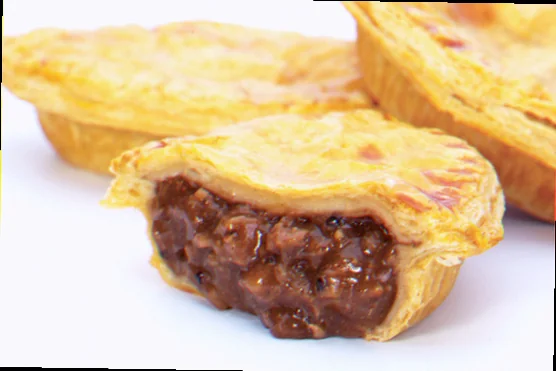
I spent three years getting the South African Mutton Curry Pie wrong before I understood that a great pie isn’t just a curry with a lid on it; it is an architectural feat of moisture management. The first time I attempted this, I served what I can only describe as a “curry soup in a wet cardboard box.” The gravy had completely liquidated the bottom pastry, and the meat was so tough it required a steak knife to navigate a handheld snack. I was devastated, but that failure led me to the revelation that changed everything: The Overnight Bone-In Maturation. You cannot make a world-class mutton curry pie in a single afternoon. If the filling hasn’t spent twelve hours in the fridge to gelatinize and the meat hasn’t been cooked on the bone to extract every drop of collagen, you aren’t making a South African pie—you’re making a mistake.
Why Most Versions of Mutton Curry Pie Fail
Most people approach this dish by trying to adapt a standard “Gravy-Boat” curry. They want a loose, saucy consistency because that’s how we eat curry with rice. But in a pie, a loose sauce is your sworn enemy. It creates the “Soggy Bottom Syndrome,” where the base of the pastry remains raw and doughy while the top burns. Most amateur cooks also use lean lamb leg because they think it’s “premium.” That is a lie. Lean meat becomes stringy and dry during the baking process. A real South African mutton curry pie needs to be rich, slightly oily (but not greasy), and thick enough to hold its shape when you bite into it. If your filling runs down your arm when you take a bite, you’ve failed the texture test.
The Ingredients That Actually Matter
I don’t care what the supermarket “stewing mix” looks like; I buy exactly 1kg of mutton shoulder. I want the fat and the connective tissue because that is what creates the “glue” that holds the pie together. I’ve tried using beef, and I’ve tried using lamb, but only mutton has that aggressive, gamey depth that can stand up to a heavy spice profile.
Speaking of spice, the soul of this dish is 45g of a proper Durban Masala. Don’t use a generic “medium curry powder” from a yellow tin. You need something with a high oil content and a deep red hue. To this, I add 15g of turmeric for earthiness and 10g of garam masala, but only at the very end. The aromatics are non-negotiable: I use 400g of finely diced brown onions—which seems like a lot, but they need to melt away into a thick jam—and 30g of freshly pounded ginger and garlic paste. I’ve tried the bottled stuff, and it tastes like vinegar and regret. Use the fresh stuff.
To handle the moisture, I use 300g of potatoes, but I cut them into tiny 1cm cubes. Their job isn’t to be a side dish; their job is to disintegrate slightly and thicken the sauce from the inside. Finally, the vessel: I use 800g of high-quality butter puff pastry. If you use the cheap shortening-based pastry, it won’t have the structural integrity to hold the mutton. I also keep 20ml of full-cream milk and one egg yolk for the wash to ensure a deep mahogany glaze.
The Moment Everything Changes: The Overnight Bone-In Maturation
The single technique that transformed my pies from mediocre to legendary is cooking the mutton on the bone and then letting the finished curry sit in the refrigerator for a full 24 hours before it ever touches the pastry. When you cook mutton on the bone, the marrow and collagen seep into the sauce. As it cools overnight, that collagen turns the gravy into a thick, spreadable jelly.
This is the science of the perfect pie: when you put cold, jellied curry into the pastry and hit it with a 200°C oven, the pastry sets and flakes before the jelly turns back into liquid. This creates a waterproof barrier. If you put hot or even room-temperature curry into your pastry, the steam immediately softens the dough, and you’re doomed. The overnight rest also allows the spices to “bloom” and mellow; the harsh bite of the ginger fades, and the sweetness of the onions takes over.
How I Actually Make It Now — Step by Step
The Searing and Fat Extraction: I start by heating 30ml of vegetable oil in a heavy-bottomed pot until it’s shimmering. I drop in the 1kg of bone-in mutton shoulder pieces. I am looking for a deep, dark brown crust on the meat. If it’s grey, you’re boiling it, and you’ve lost the flavor. I do this in batches so the temperature doesn’t drop. I want to hear that aggressive sizzle; it’s the sound of Maillard reaction gold.
The Spice Tempering: Once the meat is out, I drop the heat to medium and add the 400g of onions. I sauté them for at least 15 minutes. They must be translucent and starting to caramelize. Then, I add 15 fresh curry leaves and two cinnamon sticks. When the leaves start to pop and smell like toasted nuts, I stir in the 45g of Durban masala and the ginger-garlic paste. I cook this for exactly two minutes—long enough to cook out the raw floury taste of the spices, but not so long that the chili burns and turns bitter.
The Long Braise: I return the meat to the pot and add just enough water to almost cover it—usually about 400ml. I don’t use stock; the mutton bones are the stock. I turn the heat down to a whisper, cover it, and let it simmer for 2 hours. At the 90-minute mark, I drop in the 300g of cubed potatoes. By the end of two hours, the meat should be falling off the bone and the liquid should be reduced by half.
The Shred and Chill: This is the tedious bit. I remove the bones and any large chunks of gristle, then I lightly shred the mutton with two forks. I don’t want a paste; I want chunks. I stir in 10g of garam masala and a handful of fresh coriander. Then, I spread the mixture onto a flat tray to cool quickly and slide it into the fridge. It stays there until the next day. It must be cold to the touch and firm like a terrine.
The Assembly and High-Heat Blast: I preheat my oven to 200°C. I roll out the 800g of puff pastry and cut it to fit my tins. I heap the cold, jellied mutton mixture into the shells, making sure there are no air pockets. I drape the lid over, crimp the edges with a fork like my grandmother did, and slash two small vents in the top. I paint it generously with the egg and milk wash. I bake them for 25 to 30 minutes. I’m looking for a specific sound: when you tap the top of the pie with a fingernail, it should sound hollow and crisp, not soft.
The Failures I Still See — and How to Fix Them
- The “Lava Leak”: This is when the gravy bubbles out of the vents and ruins the crust. It’s caused by filling the pie too high or not reducing the curry enough during the braise. The fix is to ensure your filling is a thick “jam” consistency before it goes into the fridge.
- The “Tough Nugget”: If the meat is chewy, you rushed the braise. Mutton is stubborn. If it’s not tender after 2 hours, give it 3. There is no shortcut to breaking down those fibers.
- The “Pale Top”: A pale pie looks unappetizing. This usually happens because people are scared of the 200°C heat. If it’s not browning, check your egg wash. Use only the yolk for a darker, more professional finish.
When I Make This and What I Serve It With
I make these pies specifically for Sunday afternoons when the family is gathered to watch a rugby match. It’s the ultimate comfort food that you can eat with one hand while shouting at the TV. I never serve it alone. It needs the acidity of a fresh tomato and onion sambal—finely diced tomatoes, onions, and green chilies steeped in a little white vinegar and sugar. This cuts right through the richness of the mutton fat. I also put a bowl of Mrs. Ball’s Chutney on the table, because it’s South Africa and it’s mandatory. To drink, it has to be a bone-cold lager or a very spicy ginger beer to match the heat of the masala.
Substitutions I’ve Tested Honestly
- Mutton → Beef Chuck: I’ve tried this when mutton wasn’t available. It works, but it lacks the “funk” of a real curry pie. It tastes more like a spicy Cornish pasty. If you do this, add a teaspoon of beef tallow to mimic the richness.
- Puff Pastry → Shortcrust: I tried a shortcrust base with a puff lid once. It was okay, but the shortcrust struggled to cook through with the wet filling. Stick to all-puff for that shatter-effect.
- Potatoes → Sweet Potatoes: A total disaster. They turned into a sweet mush that fought with the savory spices. Avoid at all costs.
Questions I Get Asked About Mutton Curry Pie
Can I use a slow cooker for the filling?
You can, but you must sauté the onions and spices in a pan first. If you just dump everything in the slow cooker, the spices will taste raw and the onions will be slimy. Also, you’ll need to reduce the liquid in an open pan afterward, or it will be too wet.
Related topics: Strawberry and cream cheese pie recipe · Tomato pie recipe with bread crumbs · Birr castle potato pie recipe
Why is my pastry always raw on the bottom?
You’re likely putting the filling in while it’s still warm, or your oven isn’t hot enough. Make sure you use a metal pie tin—glass and ceramic don’t conduct heat fast enough to crisp the bottom before the filling melts.
How do I make it “Durban Hot”?
The 45g of masala I use is medium-hot. If you want the real burn, don’t just add more powder (which makes it grainy). Instead, add four split bird’s eye chilies to the oil when you’re tempering the curry leaves. That provides a clean, sharp heat that doesn’t muddy the flavor.