Paleo Pumpkin Pie Diagnostic Guide
You’ve attempted Paleo pumpkin pie, and the result was a watery, curdled mess with a crumbly, sad crust. This guide will diagnose every potential failure point, from ingredient selection to final bake, ensuring your next Paleo pumpkin pie is a triumph.
What Perfect Paleo Pumpkin Pie Actually Looks, Feels, and Tastes Like
| Stage | Success marker — what you should see / feel / smell / hear |
|---|---|
| Before cooking | The filling is a smooth, thick, pourable custard, the colour of a rich sunset. The crust is pale gold, firm to the touch, and smells faintly of toasted nuts and coconut. |
| During cooking (15 mins) | The edges of the filling begin to set, forming a delicate skin. The aroma is sweet, spiced, and comforting, filling your kitchen. Internal temperature registers 80°C. |
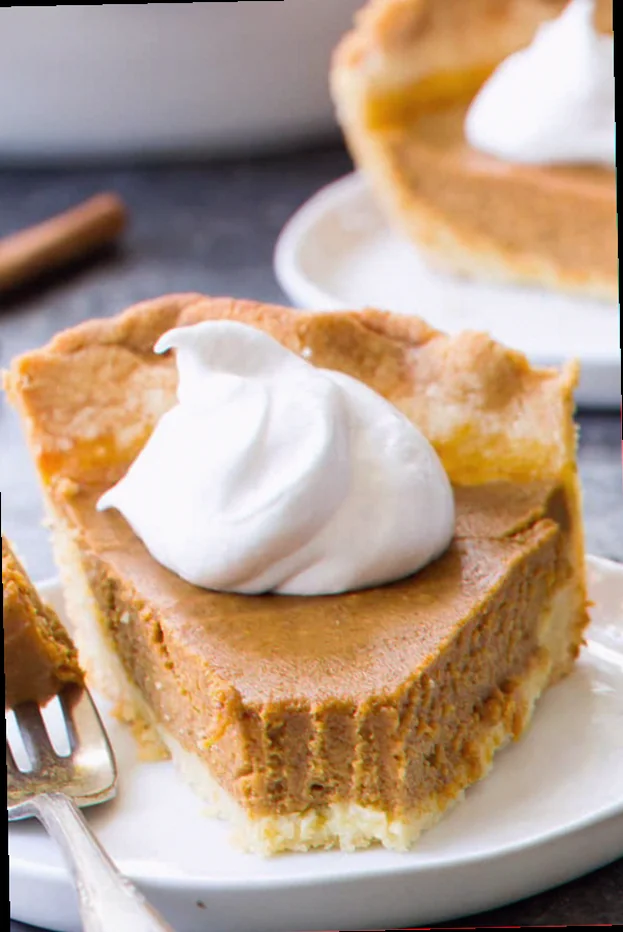
| At the finish (after resting) | The surface is smooth and slightly domed, not cracked or sunken. When gently jiggled, the center has a slight wobble but is not liquid. It smells deeply of pumpkin, cinnamon, nutmeg, and ginger. |
| When serving | Slices lift cleanly, crust remains intact and crisp. The filling is dense, creamy, and melts in the mouth. Flavours are balanced: sweet, spiced, and earthy pumpkin. |
The Ingredient Failures — Wrong Choices Before You Even Start Cooking
- Watery Filling: caused by using canned pumpkin puree that is not 100% pumpkin, but pumpkin pie filling → fix: always purchase 100% pure pumpkin puree (not pie filling), preferably unsweetened.
- Greasy Crust: caused by using melted coconut oil or butter that is too warm in the crust mixture → fix: ensure all fats for the crust are chilled and solid, cut into small pieces or grated.
- Gummy Crust: caused by using almond flour with too high a protein content or improperly processed almond flour → fix: use finely ground almond flour. If unsure, opt for a reputable brand known for its fine texture.
- Lumpy Filling: caused by not fully incorporating the sweetener or spices into the pumpkin puree → fix: whisk the pumpkin puree with sweetener and spices until completely homogenous before adding other wet ingredients.
The Technique Failures — What Goes Wrong During Cooking
- Watery Filling: what it looks/tastes like – a thin, soupy liquid that has separated, often with a raw flour taste → caused by over-mixing the filling after adding eggs, or adding eggs too early to a hot mixture → fix: gently whisk in eggs one at a time after the filling has cooled slightly. Avoid vigorous mixing.
- Cracked or Sunken Filling: symptom – the pie’s surface splits open or sinks dramatically in the center → cause – over-baking or uneven oven temperature → fix: bake at 175°C for the initial 15 minutes, then reduce to 160°C for the remaining time. Do not bake until the center is completely firm; a slight wobble is desired.
- Rubbery Filling: symptom – the texture is dense and chewy, not creamy → cause – over-whipping the filling, especially after adding eggs, or over-baking to a completely solid state → fix: mix filling components until just combined. Bake until the edges are set and the center has a slight jiggle.
- Soggy Bottom Crust: symptom – the bottom crust is wet and undercooked → cause – adding filling to an unbaked or underbaked crust, or baking at too low a temperature initially → fix: blind bake the crust for 10-12 minutes at 190°C until lightly golden before adding the filling.
The Equipment Failures — When Your Tools Are the Problem
- Uneven Baking: what the wrong version causes – hot spots and undercooked areas. what to use instead – a baking steel or pizza stone placed on the lower rack of your oven. why it matters – it distributes heat evenly, preventing the bottom crust from becoming soggy and ensuring the filling cooks uniformly.
- Cracked Filling: the failure it produces – often a result of direct heat from the oven element. the fix – using a water bath (bain-marie). the workaround – place a shallow pan of hot water on the rack below the pie. this creates a humid environment that promotes even cooking and prevents cracking.
- Measuring Inaccuracies: why this specific tool exists for this dish – precise ingredient ratios are crucial for texture. acceptable substitute – digital kitchen scales for dry ingredients and liquid measuring cups for wet.
The Full Recipe — Built Around Preventing Every Failure Above
For the Crust:
- 200g finely ground blanched almond flour — prevents gummy crust.
- 50g unsweetened shredded coconut — adds texture and prevents a too-dense crust.
- 30g melted coconut oil or ghee, cooled to room temperature — prevents greasy crust.
- 1-2 tbsp cold water — to bind the dough.
- Pinch of sea salt — enhances flavour.
For the Filling:
- 425g (1 standard can) 100% pure pumpkin puree, not pie filling — prevents watery filling.
- 100g maple syrup or honey — use a good quality, liquid sweetener. Adjust to taste for sweetness.
- 2 large eggs, at room temperature — prevents curdled filling.
- 1 tsp ground cinnamon — for warm spice.
- ½ tsp ground ginger — adds a subtle kick.
- ¼ tsp ground nutmeg — for depth of flavour.
- ⅛ tsp ground cloves — use sparingly for complexity.
- ½ tsp vanilla extract — enhances sweetness.
- Pinch of sea salt — balances flavours.
Method:
- Preheat oven to 190°C (375°F). — ensures proper blind baking to prevent soggy bottom crust.
- Prepare the Crust: In a medium bowl, combine almond flour, shredded coconut, and salt. Add the cooled melted fat and mix until it resembles coarse crumbs. Add cold water, 1 tbsp at a time, until the dough just comes together.
- Press the Dough: Press the dough evenly into a 9-inch pie plate, ensuring it goes up the sides. Trim and crimp the edges.
- Blind Bake: Line the crust with parchment paper and fill with pie weights, dried beans, or rice. Bake for 10 minutes. Remove weights and parchment, and bake for another 2-3 minutes until lightly golden. — this is where soggy bottom crust is prevented. Success marker: crust edges are lightly golden and firm.
- Reduce oven temperature to 175°C (350°F).
- Prepare the Filling: In a large bowl, whisk together the pumpkin puree, maple syrup, cinnamon, ginger, nutmeg, cloves, and salt until smooth and homogenous. — this prevents a lumpy filling. Success marker: no visible pockets of unmixed sweetener or spices.
- Temper the Eggs: In a separate small bowl, whisk the eggs. Gradually whisk about ½ cup of the warm pumpkin mixture into the eggs. This tempering process prevents the eggs from scrambling.
- Combine Filling: Pour the tempered egg mixture back into the pumpkin mixture. Add vanilla extract. Gently whisk until just combined. — avoid over-mixing to prevent rubbery filling and curdled texture. Success marker: a smooth, pourable custard with no streaks.
- Pour and Bake: Pour the filling into the blind-baked crust. Place the pie on a baking sheet (to catch any potential spills). Bake for 15 minutes at 175°C (350°F).
- Lower Temperature and Water Bath: Reduce oven temperature to 160°C (325°F). If using a water bath, carefully place the pie dish into a larger pan and fill the larger pan with hot water. Continue baking for 35-45 minutes, or until the edges are set and the center has a slight wobble. — this is a critical control point to prevent cracked or sunken filling and rubbery texture. Success marker: the edges are firm, the center gently jiggles, and the surface is smooth.
- Cool Completely: Remove the pie from the oven (and water bath, if used). Let it cool on a wire rack for at least 2 hours. The filling will continue to set as it cools. — this allows the filling to stabilize and prevents a watery texture.
How to Rescue [Paleo Pumpkin Pie] When It Has Already Gone Wrong
- If your filling is watery: If the pie is still warm, you can try to gently drain off excess liquid from the edges. If it’s already cooled and still watery, it may not fully recover. However, you can attempt to re-bake it at a lower temperature (150°C) for an additional 10-15 minutes, but be mindful of over-baking. This is a partial fix at best.
- If your filling is cracked or sunken: This is largely aesthetic. You can often cover minor cracks with a dollop of coconut whipped cream or a dusting of cinnamon.
- If your crust is soggy: This is difficult to fix post-bake. If it’s only slightly damp, a few extra minutes under a broiler (watching very carefully) might crisp it up, but this risks burning. A more practical approach is to embrace it and serve it as a deconstructed dessert.
- If your filling is rubbery: There is no effective rescue for an overcooked, rubbery filling. Prevention is key next time.
Make-Ahead: Which Failures This Introduces and How to Avoid Them
Making Paleo pumpkin pie ahead introduces the risk of a soggy bottom crust due to condensation. To avoid this:
- Ensure the pie is completely cooled before refrigerating.
- Store it in the refrigerator in an airtight container or loosely covered with plastic wrap, ensuring no direct contact with the crust.
- When reheating, place the pie uncovered on a baking sheet at 150°C for 10-15 minutes to gently warm and help re-crisp the crust.
Related topics: Mason woodruff pumpkin pie cheesecake recipe · Whipped cream pumpkin pie recipe · Skinny coconut cream pie recipe
Diagnostic FAQ — Real Failures, Real Fixes
My Paleo pumpkin pie turned out watery and separated — what went wrong?
This is almost always a watery filling failure. The most likely cause is using pumpkin pie filling instead of 100% pure pumpkin puree, or adding the eggs too early to a hot mixture without tempering. For next time, ensure you use pure pumpkin and temper your eggs by gradually adding warm pumpkin mixture to them before combining.
It looked right but tasted bland — where did I go wrong?
This indicates a failure in flavour development. The cause is likely insufficient or poor-quality spices, or not balancing the sweetness. For your next pie, use fresh spices and consider tasting the filling before adding eggs to adjust sweetness and spice levels. A pinch of sea salt is crucial for enhancing all other flavors.
Everything looked perfect until I took it out of the oven and it cracked all over — why did it crack?
This is the classic cracked filling failure. The primary cause is over-baking or baking at too high a temperature throughout the entire bake. For your next attempt, reduce the oven temperature after the initial 15 minutes, and aim for a slight wobble in the center when you remove it from the oven; it will continue to set as it cools. Using a water bath can also significantly mitigate this.