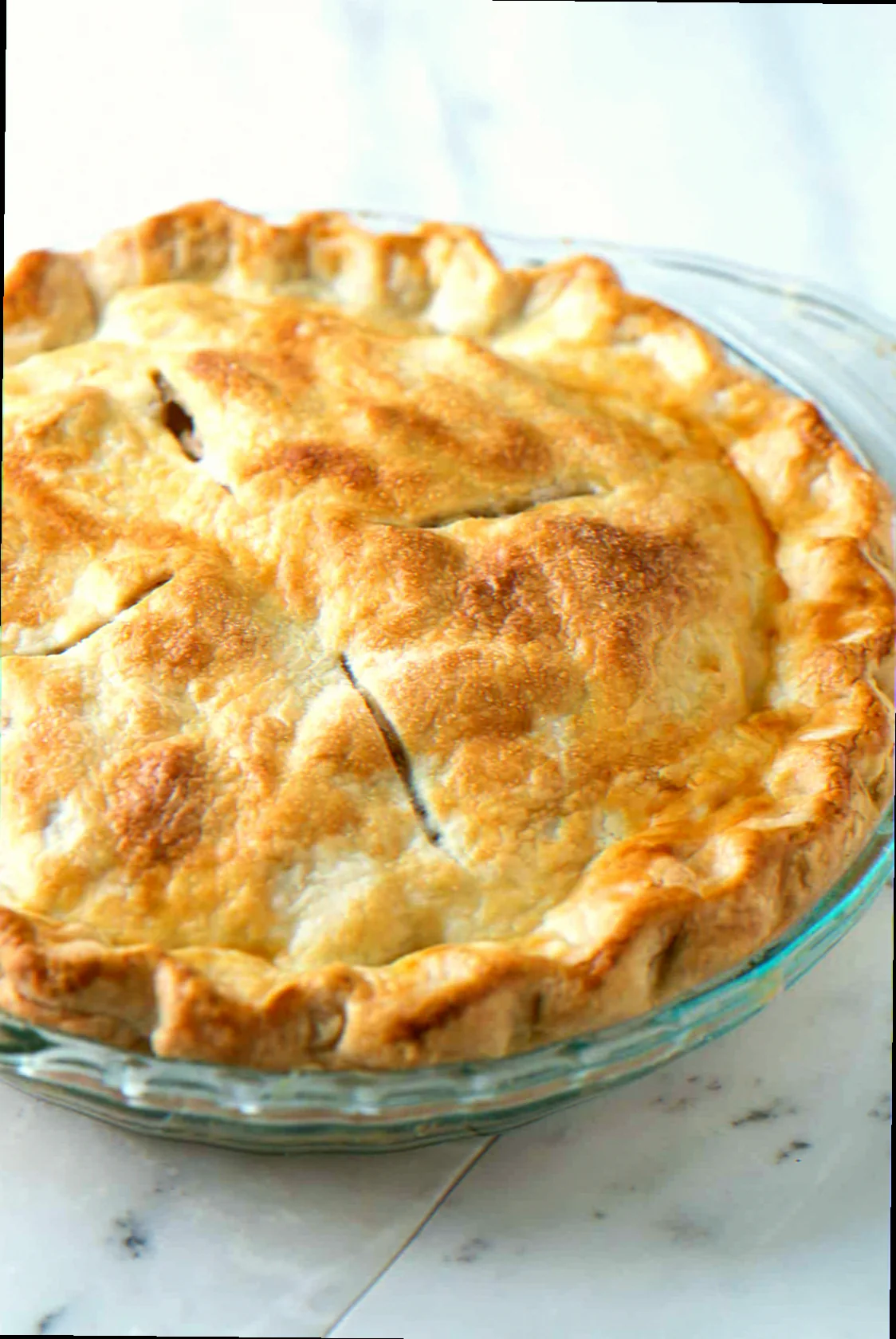
The candlelight flickers against the damp stone walls of a 17th-century manor kitchen in the Loire Valley, where a pastry cook presses the heels of her palms into a mound of flour and chilled fat. Outside, the damp autumn air of 1650 settles over the vineyards, but inside, the rhythm is dictated by the cold marble slab—a necessity for keeping the butter from weeping into the grain. This is the birth of the pâte brisée, a ritual of temperature and timing that transformed the pie from a rugged, utilitarian vessel into an aristocratic centerpiece of the harvest table.
Where the Butter Crust Comes From — and Why It Was Invented
The butter-based pie dough as we recognize it today was a radical departure from the medieval “coffyn.” In the 14th and 15th centuries across Britain and Northern Europe, pie crusts were not meant to be eaten; they were heavy, structural casings made of flour and water, designed to preserve the juices of the meat inside and protect it from the soot of the hearth. These “standing pees” were essentially the Tupperware of the Middle Ages.
The shift toward a short, buttery, edible crust was driven by the agricultural revolution in Northern Europe, specifically in regions like Normandy, Brittany, and the English West Country. Unlike the Mediterranean, where the climate favored olive groves, the lush, rain-soaked pastures of the North produced an abundance of high-fat bovine dairy. By the mid-1600s, as sugar began to arrive from Caribbean colonies and the culinary arts moved from the communal hall to the refined court, the crust became a flavor profile in its own right. The problem it solved was one of texture: by “shortening” the gluten strands of the wheat with fat, cooks created a dough that shattered rather than resisted, allowing for the delicate fruit tarts and savory tourtes that defined the Baroque era.
The Ingredients as Historical Artefacts
Every component of a modern butter crust is a map of human movement and technological shifts.
- Cultured Butter: While butter originated with nomadic cattle herders in Central Asia, it was the development of the “dairying belt” in Northern Europe that refined it. The butter used in early modern pastry was often lightly fermented or “cultured” before churning, giving the dough a lactic tang that modern unsweetened butter often lacks. It replaced lard (pig fat) in high-status kitchens, signaling a move away from the farmhouse and toward the patisserie.
- Refined Soft Wheat: The “all-purpose” flour we use is a descendant of the winter wheats of the Levant, which migrated through the Roman Empire. By the 17th century, the sifting process became more sophisticated. The use of “fine flour” was a marker of wealth; the more bran removed, the lighter and more delicate the pastry became, allowing the butter to dominate the structural integrity of the dish.
- Common Salt: Once a prized preservative traded across the Sahara and the Mediterranean, salt in pie dough serves a dual purpose. Historically, it controlled the fermentation of the butter and strengthened the gluten just enough to prevent the dough from becoming a pile of crumbs, acting as the bridge between the fat and the starch.
The Harvest Rite — When and Why This Dish Is Made
In the traditional European calendar, the buttery pie crust is inextricably linked to the slaughter and the harvest. The ritual entity here is the “Michaelmas” feast in late September, or the Martinmas celebrations in November. This was the window when cows were being moved to winter quarters and their milk was at its richest, and when the grain had been newly milled.
A butter-heavy crust was a celebratory gesture. Because butter was more expensive and more perishable than lard, an all-butter crust signaled a moment of abundance. It appeared at the conclusion of the harvest, encasing the apples, pears, or game meats that would sustain the family through the dark months. To share a butter-crust pie was to consume the liquid gold of the pastures, transformed into a solid, flaky architecture.
How Migration Changed the Butter Crust Forever
As European settlers moved to the Americas and the Antipodes, the butter crust underwent a series of identity crises. In the American colonies, the scarcity of dairy cows in the early years led to a regression back to lard-based crusts, which were sturdier for the rugged conditions of frontier life. However, the French culinary diaspora of the late 18th century—fleeing the Revolution—reintroduced the “French Method” (rubbing cold butter into flour) to the professional kitchens of New York and Philadelphia.
The Industrial Revolution introduced a new tension: the invention of hydrogenated vegetable shortening (Crisco) in 1911. This nearly killed the traditional butter crust in the home kitchen. Shortening provided a “foolproof” flakiness that butter, with its low melting point, could not easily replicate in a warm modern kitchen. What was lost was the complex, nutty flavor of the dairy and the “melt-in-the-mouth” sensation that only animal fats with a melting point near body temperature can provide. The modern “all-butter” movement is a conscious reclamation of those pre-industrial flavors, a rejection of the waxy, flavorless stability of the 20th century.
How to Make Pâte Brisée — The Recipe in Full
This is the “short” dough of the French tradition—sturdy enough for a quiche, yet delicate enough for a fruit galette.
| Ingredient | Quantity | Why it’s here |
|---|---|---|
| Pastry Flour (9-10% protein) | 250g | Provides enough structure to hold the fat without becoming tough. |
| Unsalted Butter (82% fat) | 175g | High fat content ensures a tender, “short” crumb; unsalted allows for control. |
| Fine Sea Salt | 5g | Enhances the sweetness of the butter and regulates gluten development. |
| Ice-Cold Water | 60ml | Hydrates the flour while keeping the butter solid to create steam pockets. |
Method: The flour and salt must be sifted onto a cold surface—ideally marble or stainless steel—to mimic the temperature-controlled environments of the 18th-century larder. The butter, chilled until rigid, is cut into 1cm cubes. Using the sablage technique, the butter is rubbed into the flour with the fingertips. The goal is not a paste, but a texture resembling coarse sand or wet gravel; this ensures that some butter remains in discrete clumps, which will later expand into flakes.
The ice water is added in a single motion. One must use a “cutting” gesture with a bench scraper or a spatula to incorporate the liquid without overworking the dough. Developing too much gluten through kneading will result in a “bready” crust rather than a “shattering” one. Once the dough barely holds together, it is pressed into a disk and wrapped. The resting period (minimum two hours at 4°C) is non-negotiable; it allows the starch granules to fully hydrate and the fats to re-solidify, preventing the dreaded “shrinkage” when the dough meets the heat of the oven. Bake at 200°C for the initial “set” to ensure the steam from the butter lifts the layers of flour.
The Tension Entity — Authenticity vs. The Food Processor
The great divide in contemporary pastry is between the “hand-rubbers” and the “pulse-grinders.” Purists argue that the heat from a food processor’s motor and the speed of the blades pulverize the butter too finely, resulting in a mealy texture rather than a flaky one. The tension lies in accessibility. While the food processor has made pie-making a 30-second task, it removes the sensory feedback—the feeling of the fat’s resistance—that guided pastry cooks for centuries. Authenticity here is not just about the ingredients, but about the thermal management of the fat.
What the Butter Crust Has Become — and What That Tells Us
Today, the all-butter crust is a badge of the “artisanal.” In a world of mass-produced, shelf-stable baked goods, a crust that shatters and tastes of high-quality dairy is a luxury. Its popularity in modern “farm-to-table” movements tells us that we are craving the seasonal cycles of the past. We have moved from the “coffyn” that protected the food to a crust that is the food. The butter crust remains a testament to the North European landscape—a marriage of the wheat field and the pasture, held together by the cold hands of the cook.
Questions About All-Butter Pie Dough
What is the single ingredient you should never substitute in an all-butter crust?
The butter itself, specifically its fat percentage. You must use a European-style butter with at least 82% butterfat. American “supermarket” butters often have a higher water content; when that water evaporates in the oven, it can lead to a tougher, more leathery crust rather than the tender, friable texture required for a true pâte brisée.
Related topics: Pie crust recipes without yeast · Cooked chicken pie recipes · Recipes made with lemon pie filling
How does the butter crust differ between the French tradition and the American “Flaky” style?
The French pâte brisée focuses on a “short” texture, where the fat is integrated more thoroughly to create a sandy, melt-away crumb. The American migration version often uses larger “peas” of butter and a “fold” technique similar to puff pastry, resulting in distinct, visible layers or “flakes.” The French version prioritizes flavor and richness, while the American version prioritizes structural lift and height.
Is there a version of this that is accessible to make at home without special equipment?
Yes, the “Grated Butter” method. By freezing the butter and grating it on a standard box grater into the flour, you achieve the perfect particle size without the need for a food processor or the risk of melting the fat with your hands. It is a modern workaround that honors the historical requirement for cold, discrete fat pockets.