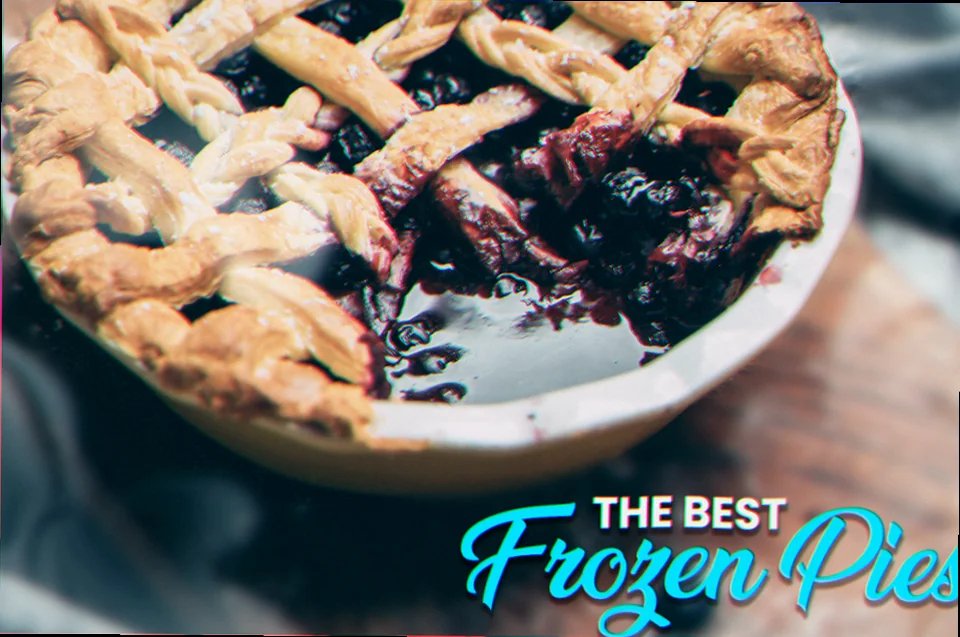
I spent three years getting my frozen apple pie wrong before I understood the magic of the cold butter method. Three years of soggy bottoms, pale crusts, and filling that tasted suspiciously like wallpaper paste. Each pie was a gamble, a hopeful prayer sent into the oven, and most of the time, the prayer went unanswered. It wasn’t until I stumbled upon a whispered secret – that my butter had to be colder than a polar bear’s toenails – that my frozen apple pies transformed from edible disappointment into something truly glorious.
Why Most Versions of Frozen Apple Pie Fail
The biggest crime I see committed, the one that sends shivers down my spine, is the lazy assembly. People just dump everything in, slap it together, and expect miracles. They’ll use softened butter for the crust, or worse, oil, convinced it’s easier. What you get is a pastry that’s tough and dense, like eating a slightly sweet brick. The filling, because it hasn’t been properly pre-cooked and thickened, oozes out in a watery, flavourless mess, steaming the bottom crust into submission until it’s a pathetic, grey mush. It’s the culinary equivalent of a shrug. My pies, before the revelation, were exactly that – a culinary shrug. Now, they’re a standing ovation.
The Ingredients That Actually Matter
Let’s talk apples. Forget those mealy Gala or Fuji you grab without thinking. My non-negotiable is a blend. I use 400g of Granny Smith for its assertive tartness that cuts through the sweetness, and then 500g of Honeycrisp for that delightful crunch and a whisper of floral sweetness. Anything less, and the flavour profile is just… sad. For the crust, it’s all about the fat. I’ve tried shortening, I’ve tried lard, but nothing beats 300g of unsalted butter, straight from the freezer, grated. It’s the key to those flaky layers. For thickening the filling, cornstarch is a cheat. I use 30g of tapioca starch. It creates a beautiful, glossy, slightly chewy texture that nothing else can replicate, and it doesn’t get gummy like cornstarch can. And the spices – oh, the spices! 5g of ground cinnamon, 2g of ground nutmeg, and a tiny pinch, maybe 0.5g, of ground cloves. This isn’t a competition; it’s a delicate dance.
The Moment Everything Changes: The Cold Butter Method
The revelation, the single most important thing I learned, was the cold butter method for the crust. It sounds simple, almost too simple, but it’s everything. When you grate frozen butter into your flour, you create tiny, distinct pockets of fat. As the pie bakes, these pockets melt, creating steam, which pushes apart the layers of dough. This is what gives you that ethereal, flaky, shatteringly crisp crust – the kind you dream about. Before this, I’d just cut cold butter into cubes, which is fine, but it melts too quickly, incorporating too much into the dough and resulting in a tougher pastry. The grated frozen butter method ensures those distinct fat pockets survive the mixing process, leading to unparalleled flakiness. It’s not just about texture; it’s about flavour too. That rich, buttery taste shines through because the fat isn’t overworked.
How I Actually Make It Now — Step by Step
Crust Construction: I pulse 300g of all-purpose flour with 8g of salt and 15g of granulated sugar in my food processor. Then, I dump in 300g of frozen, grated unsalted butter. I pulse this in short bursts, just until it looks like coarse crumbs with some pea-sized pieces of butter still visible. I pour in 90ml of ice-cold water, adding a tablespoon at a time, pulsing until the dough just starts to come together. It shouldn’t be wet. I divide this into two discs, wrap them tightly, and refrigerate for at least an hour, preferably two. This is crucial for gluten relaxation.
The Apple Prelude: While the dough chills, I peel, core, and slice 1kg of apples (that blend of Granny Smith and Honeycrisp). I toss them with 50g of granulated sugar, 25g of brown sugar, 30g of tapioca starch, that symphony of 5g cinnamon, 2g nutmeg, and 0.5g cloves, a good squeeze of lemon juice (about 15ml), and a pinch of salt. I let this macerate for about 30 minutes. This step draws out some of the apple’s natural juices, which then mix with the tapioca starch, starting the thickening process before it even hits the oven.
Rolling Out the Foundation: I take one chilled dough disc and roll it out on a lightly floured surface into a rough 30cm circle. It’s okay if it’s not perfectly round; rustic is good. I carefully transfer it to my 23cm pie plate, pressing it gently into the edges. I trim any excess, leaving about a 1cm overhang.
The Filling Fiasco (Avoided): I pour the macerated apple mixture into the prepared crust. Don’t be tempted to drain the juices! Those juices are flavour gold. I arrange the apples so they’re piled slightly in the centre, as they will settle.
The Lattice of Triumph: I roll out the second dough disc. This is where I get fancy. I cut it into strips and create a lattice top. I don’t do a solid top crust because it traps too much steam. The lattice allows steam to escape, preventing a soggy top and allowing the apples to caramelize properly. I brush the lattice with an egg wash (one egg beaten with 15ml of milk) and sprinkle with a little extra sugar. This gives that beautiful golden-brown sheen.
The Bake: I bake the pie at 200°C for 20 minutes, then reduce the temperature to 180°C and bake for another 40-50 minutes, or until the crust is deeply golden brown and you see glorious bubbling juices peeking through the lattice. If the edges start to brown too quickly, I’ll loosely tent them with foil. The aroma that fills my kitchen at this point is pure joy.
The Failures I Still See — and How to Fix Them
- The Soggy Bottom: This is the most common lament. The cause is almost always insufficient pre-baking of the bottom crust (blind baking) or a filling that’s too wet. My fix: ensure your filling has macerated long enough to start thickening with the starch, and if you’re really worried, give the bottom crust a 10-minute head start in the oven before adding the filling.
- The Pale, Tough Crust: This is a direct result of a warm crust dough or overworking it. The fix is non-negotiable: cold butter, ice-cold water, and minimal handling. Don’t be afraid of the bits of butter you can still see in the dough. That’s your flaky future.
- The Watery Filling: This happens when the starch hasn’t been given enough time to hydrate and thicken. My recovery: if you catch it early, you can sometimes carefully spoon out a little of the excess liquid, whisk in a teaspoon of tapioca starch, and pour it back in, but it’s best to prevent it by letting the apples macerate properly.
When I Make This and What I Serve It With
My frozen apple pie is my ultimate comfort food, the star of any fall gathering or holiday dessert table. It’s the pie I bring to potlucks when I want to impress, and the one I bake for myself on a chilly Sunday afternoon. It’s fantastic with a scoop of vanilla bean ice cream, of course, but its true companions are sharp cheddar cheese – the salty, tangy contrast is sublime – and a simple whipped cream infused with a hint of bourbon.
Substitutions I’ve Tested Honestly
- Tapioca Starch → Cornstarch: I’ve tried this. The result is a filling that’s a little less glossy and can sometimes get a bit gummy. It’s acceptable in a pinch, but tapioca is superior.
- Granny Smith/Honeycrisp → Other Apples: I’ve used Braeburn, Jonagold, and even Golden Delicious. They work, but the flavour complexity suffers. The blend is key for that perfect balance of tart and sweet.
- Dairy-Free → Vegan Butter/Shortening: For the crust, I’ve had moderate success with a good quality vegan butter stick, but it doesn’t achieve the same flaky texture. The flavour is also less rich. It’s a compromise, and honestly, not one I’m thrilled with.
Questions I Get Asked About Frozen Apple Pie
My crust is always too dry and crumbly. What am I doing wrong?
You’re probably not using enough water, or the water you’re using isn’t cold enough. The dough should just barely come together. If it feels too dry, add water, just a teaspoon at a time, until it clumps. And for the love of all that is good, use ice water.
How can I prevent my apples from turning brown before I even put them in the pie?
This is why that lemon juice is there! As soon as you slice your apples, toss them in the lemon juice and sugar mixture. The acidity of the lemon juice (and the sugar, to a lesser extent) inhibits the browning enzymes.
Related topics: Apple pies recipe pinterest · Recipes for frozen pies · Quick and easy mince pies recipe
My pie is always undercooked on the bottom. How do I get a crisp bottom crust?
This is the bane of many pie bakers. Firstly, ensure your oven temperature is accurate. Secondly, don’t overload your pie with filling; it can make the bottom soggy. My secret weapon, though, is to bake the bottom crust for about 10-15 minutes before adding the filling. Just prick it with a fork, line it with parchment paper, fill with pie weights or dried beans, and bake until lightly golden. Then remove the weights and paper, add your filling, and proceed with the rest of the bake. It’s a little extra work, but it guarantees a crisp bottom crust.