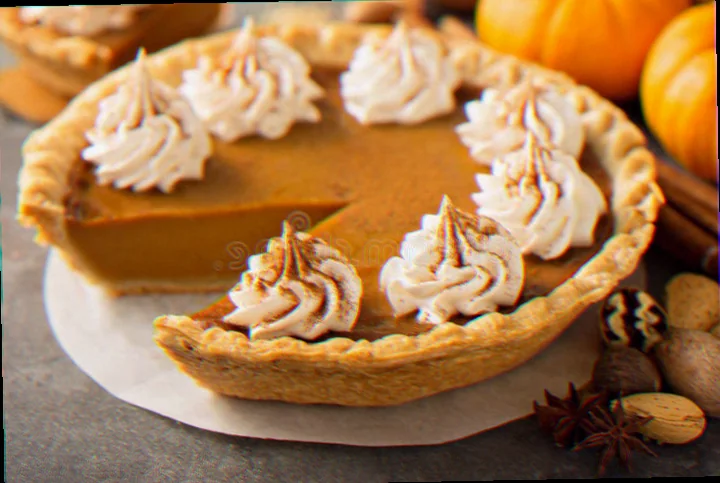
I spent four years serving what I thought was “authentic” pumpkin pie before I realized I was actually just feeding my family orange-flavored rubber. The first time I attempted a Whipped Cream Pumpkin Pie—the kind that actually feels like a cloud rather than a brick—I ended up with a literal soup that soaked through the crust and sat on the cooling rack like a soggy, spiced failure. It was only after my sixth or seventh attempt that I stumbled upon the Bloom-and-Fold Paradox, the single revelation that transformed my pies from dense, cracked catastrophes into the ethereal, mousse-like masterpieces people actually ask for.
Why Most Versions of Whipped Cream Pumpkin Pie Fail
Most people try to make this by simply making a traditional baked custard pie and plopping a mountain of whipped cream on top. That is the “Baked Custard” trap, and it’s fundamentally the wrong approach if you want a true Whipped Cream Pumpkin Pie. When you bake the cream into the pumpkin, the proteins in the eggs tighten up, squeezing out moisture and creating that dreaded “weeping” effect. You get a dense, heavy wedge that sits in your stomach like a stone. A real Whipped Cream Pumpkin Pie should be a stabilized mousse—it should have the structural integrity to stand tall on a plate but the soul of a Chantilly cream. If your fork doesn’t glide through it like it’s cutting a dream, you’ve basically just made a sweet vegetable omelet.
The Ingredients That Actually Matter
I don’t care what the “farm-to-table” purists say: do not roast your own pumpkin. I tried it for three years and all it got me was a watery, stringy mess. I use exactly one 425g tin of pure pumpkin purée—not the “pie mix” which is loaded with cheap fillers. To build the backbone of the flavor, I’ve found that 150g of dark brown sugar is non-negotiable; the molasses content provides a smokiness that white sugar lacks.
For the fat, I use 475ml of heavy whipping cream with at least 35% milk fat. Anything less and the aeration won’t hold. Then there are the spices: I’ve stopped buying “Pumpkin Spice” blends. Instead, I use 5g of ground cinnamon, 2g of ground ginger, and a tiny 1g pinch of ground cloves. The secret weapon, however, is the 60ml of high-quality Bourbon. I tried using vanilla extract, but it gets lost; Bourbon bridges the gap between the earthy pumpkin and the fatty cream. Finally, to make it hold its shape without baking, I use 7g of unflavored powdered gelatin. It’s the “glue” that allows us to skip the oven for the filling.
The Moment Everything Changes: The Bloom-and-Fold Paradox
The revelation that changed my life was understanding the Bloom-and-Fold Paradox. You cannot simply stir spices into cold pumpkin; they are fat-soluble and need heat to release their aromatics. Conversely, you cannot fold whipped cream into a hot base, or it will melt into a greasy puddle. The paradox is that the filling must be both cooked and cold. I learned to “bloom” my spices and gelatin in a hot pumpkin reduction first, then chill that base to exactly 25°C before folding in the whipped cream. This technique ensures the spices are vibrant and the gelatin is active, but the aeration of the cream remains perfectly intact. It creates a texture that is chemically stable but physically light.
How I Actually Make It Now — Step by Step
I start this process a full day before I want to eat it because time is an ingredient you can’t cheat.
The Blind Bake: I prepare a standard shortcrust and bake it at 190°C until it is deeply golden. Since the filling isn’t going back into the oven, the crust must be fully cooked now. If I leave it pale, the moisture from the mousse will turn it into wet cardboard within an hour. I look for a biscuit-like snap when I poke the edge with a fork.
The Spiced Reduction: I put the 425g of pumpkin, 150g of brown sugar, and all the spices into a heavy-bottomed saucepan over medium heat. I cook this, stirring constantly, for about 8 minutes. I’m looking for the color to darken to a rusty brick red and for the smell to fill the kitchen. This cooks out the “raw tin” taste of the pumpkin.
The Gelatin Bridge: While the pumpkin is hot, I take 60ml of Bourbon and sprinkle the 7g of gelatin over it, letting it sit for five minutes. Then, I stir this slurry into the hot pumpkin mixture. The heat of the pumpkin (which should be around 75°C) melts the gelatin perfectly. I then transfer this to a bowl and let it cool. I’m watching for it to hit room temperature—if it’s too hot, it kills the cream; if it’s too cold, the gelatin sets and I get lumps.
The Aeration: I whip my 475ml of heavy cream to stiff peaks. This is the sensory peak of the recipe—I listen for the whisk to start making a “heavy” rhythmic thud against the bowl. I fold one-third of this cream into the pumpkin base quite vigorously to lighten it up, then I fold the remaining two-thirds in with a gossamer touch. I’m looking for streaks of orange and white to disappear into a uniform, pale terracotta cloud.
The Long Set: I pour this into the cooled crust and smooth the top. It goes into the fridge for at least six hours. If I rush this, the first slice will just slump over like it’s had too much of that Bourbon. I wait until the surface feels springy to a light touch.
The Failures I Still See — and How to Fix Them
- The Grainy Tongue-Feel: This is caused by folding the cream into the pumpkin while the pumpkin is still too warm (above 30°C). The cream partially melts, then re-solidifies in tiny fat globules. The fix is patience; use a thermometer to ensure the base is cool.
- The Puddle at the Bottom: This is “syneresis.” It happens if you didn’t bloom the gelatin correctly or if you used a “light” cream with low fat content. Always use 35% fat or higher, and ensure the gelatin is fully dissolved in the hot pumpkin.
- The Metallic Aftertaste: This is the result of using raw spices straight from the jar into a cold filling. Spices are bark, seeds, and roots; they need the heat of the “Spiced Reduction” stage to break down their cellular walls and release oils.
When I Make This and What I Serve It With
This is my “Friendsgiving” heavyweight champion. It earns its place because, after a massive turkey dinner, nobody actually wants a heavy, dense custard pie. They want something that feels like a palate cleanser but tastes like a celebration. I always serve this alongside a bowl of Salty Roasted Pecans to provide a crunch that contrasts the mousse, and a side of Cranberry Compote—the acidity of the berries cuts through the richness of the 475ml of cream. For a drink, I serve a Double-Shot Espresso or a neat pour of the same Bourbon I used in the filling. The bitterness of the coffee is the perfect foil for the dark brown sugar.
Substitutions I’ve Tested Honestly
- Heavy Cream → Coconut Cream: I tried this for a vegan friend. The result was “okay” but the coconut flavor is aggressive. It masks the pumpkin entirely. Only do this if you have no other choice, and use the solid part of the tin only.
- Bourbon → Apple Cider: This works surprisingly well if you want to avoid alcohol. The acidity of the cider (use 60ml) brightens the pumpkin, though you lose that deep, smoky charred-oak note.
- Shortcrust → Gingersnap Crust: A tested winner. I used 200g of crushed gingersnaps and 60g of melted butter. It adds a spicy “snap” that complements the airy filling perfectly.
Questions I Get Asked About Whipped Cream Pumpkin Pie
Can I use fresh pumpkin instead of canned?
You can, but you shouldn’t. Fresh pumpkin varies wildly in water content and fiber. Canned purée is consistent. If you insist on fresh, you must roast it, purée it, and then strain it through cheesecloth for two hours, or your pie will be a watery mess.
Related topics: Skinny coconut cream pie recipe · Paleo pumpkin pie recipe · Strawberry and cream cheese pie recipe
Why didn’t my filling set?
You likely didn’t get the pumpkin hot enough when you added the gelatin, or you didn’t give it the full six hours in the fridge. Gelatin is a patient mistress; you cannot yell at it to work faster.
Can I make this three days in advance?
No. The whipped cream will eventually start to lose its air, and the crust will eventually succumb to the moisture. Two days is the absolute limit, but 24 hours is the “sweet spot” for flavor development and texture stability.